
AMENA Foundation and the Stimson Center’s Environmental Security Program
Webinar : Implications of the War in Iran for Climate Security
April 28, 2026
The Stimson Center’s Environmental Security Program and the AMENA Foundation hosted a webinar on how the conflict between Iran, the United States, and Israel is reshaping environmental and human security across the Middle East and North Africa.
The discussion explored how the consequences of war extend far beyond the battlefield, increasing pressure on food systems, water resources, energy infrastructure, public health, and displacement patterns across the region. As the Middle East and North Africa already face severe climate pressures, the panel examined how conflict can amplify existing vulnerabilities and create long-term risks for both environmental and human security.
Merissa Khurma, founder and CEO of the AMENA Foundation, opened the event by emphasizing that the climate security implications of the war have been largely overshadowed by geopolitical and military discussions. As she noted, “when we better understand the impact on climate security, we’re better equipped to address the impact on human security.” Khurma highlighted the scale of civilian harm, including civilians killed, forced displacement, and widespread damage to electricity, water, energy systems, and key civilian infrastructure. She also pointed to the long-term risks of contamination from chemicals, fuels, and heavy metals, as well as the broader impact of disrupted energy markets, fertilizer shipments, and food prices.
Reporting in the dark: Uncovering the impacts in Iran
Nilo Tabrizy, investigative journalist, discussed the environmental and public health impacts of strikes on oil storage facilities in Tehran. Because of restricted access to Iran and pressure on domestic journalists, she relied on open-source methods, including video geolocation, satellite imagery, remote sensing, and conversations with residents. Residents reported immediate air pollution, difficulty breathing, burning eyes, and rising costs for basic medical supplies.
Tabrizy emphasized that the full impact remains difficult to document because of communications blackouts and limited access to affected communities. She explained that those able to speak with journalists are often people who can afford VPNs. As Tabrizy stated, “we’re really missing the voices and testimonies of people who perhaps are the most affected, people who are not from affluent areas of Tehran.” She also raised concerns about black residue found on cars after fuel storage sites were hit, as well as residents’ fears that rainfall could carry pollutants into water and food systems.
“We’re really missing the voices and testimonies of people who perhaps are the most affected, people who are not from affluent areas of Tehran.”
War as a multiplier of existing climate pressures
Nazanine Moshiri, senior advisor for climate and peace at the Berghof Foundation, argued that the conflict is amplifying existing climate pressures, including drought and water scarcity in Iran, Iraq, and Afghanistan. She noted that these challenges are not only caused by climate change but also by years of underinvestment, corruption, water mismanagement, and prolonged conflict.
As Moshiri emphasized, “the environmental damage feeds directly into public health concerns, displacement, and food insecurity.” Because water, food, and energy systems are shared across borders, the consequences of the war ripple throughout the region. She also highlighted regional spillover effects, including smoke drifting over Gulf waters, risks to marine ecosystems, and contamination in southern Lebanon.
“The environmental damage feeds directly into public health concerns, displacement, and food insecurity.”
Displacement, vulnerability, and food insecurity
Reva Dhingra, associate director of policy and planning at the International Rescue Committee, focused on the conflict’s impact on displacement, vulnerable communities, and food security. She explained that the current crisis is unfolding against a backdrop of severe humanitarian need, with nearly 25 million people already displaced across the MENA region by mid-2025. In Iran, she noted that the conflict has created primarily an internal displacement crisis, with millions fleeing urban areas targeted by strikes.
Dhingra also highlighted the situation of Afghan refugees in Iran, many of whom already face precarious legal status, reliance on informal livelihoods, and lack of documentation. In Lebanon, she described the scale of displacement as especially severe, with roughly 20 percent of the population forced from their homes within two weeks and more than 100,000 people living in collective shelters. She stressed that many communities have been displaced repeatedly, fleeing during conflict, returning during ceasefires, and fleeing again when violence resumes.
Dhingra noted that hundreds of thousands of displaced Lebanese are children, many of whom are experiencing trauma, school disruptions, fear of loud noises, and behavioral issues. She noted that more than 22 percent of agricultural land in Lebanon had been affected and that more than three-quarters of farmers in southern Lebanon had been forced to suspend their work. In Afghanistan, fuel disruptions have made water trucking more expensive, worsening existing drought, food insecurity, and malnutrition.
Shared water risks and regional cooperation
Gidon Bromberg, Israel director of EcoPeace Middle East, emphasized that the conflict’s climate security implications are deeply transboundary. Speaking from Israel, he shared that his own home had been destroyed by an Iranian missile, while also stressing that civilians and peacebuilders across the region are exposed to the same insecurity.
Bromberg warned that post-conflict investment in fossil fuel infrastructure could deepen long-term insecurity by diverting attention and resources away from renewable energy. He pointed instead to the potential for large-scale renewable energy cooperation, especially in areas such as Saudi Arabia, southern Jordan, and Sinai. He described this area as having “the best combination of solar radiation and wind” in the Mediterranean basin. Renewable energy exports from the Middle East to Europe could help Europe meet its climate commitments while also supporting regional resilience and reducing dependence on fossil fuels.
“Renewable energy exports from the Middle East to Europe could help Europe meet its climate commitments while also supporting regional resilience and reducing dependence on fossil fuels.”
Rethinking resilience after conflict
The discussion addressed what kinds of interventions could help disrupt the cycle of climate insecurity, displacement, and conflict. Dhingra stressed that peace and meaningful ceasefires remain the most important interventions. Without them, humanitarian organizations can still support anticipatory action for drought shocks and help rehabilitate water infrastructure, but these efforts remain limited without financing and political progress.
Several speakers also warned against rebuilding around fossil fuel dependence. Bromberg argued that fossil fuel-based reconstruction and new oil pipelines could undermine investment in renewable energy. He called for stronger support for large-scale renewable energy cooperation, including the export of renewable energy from the Middle East to Europe. Moshiri similarly noted that fossil fuel dependence creates vulnerability by exposing countries to targeted energy infrastructure attacks, price shocks, economic instability, and geopolitical risk.
Khurma added that the crisis may force the region and the broader international community to rethink energy security, economic security, and modernization plans. She emphasized the need to bridge the gap between conversations focused on geopolitics and military strategy and the broader consequences for food security, climate security, energy security, economic stability, and human security.
The role of civil society, documentation, and local communities
Finally, panelists reflected on where they see opportunities for hope. Dhingra pointed to mutual aid networks, community organizing, and local support systems in Lebanon and other conflict settings. Moshiri emphasized that better tools now exist to document environmental damage in real time, which can support accountability, cleanup, restoration, and future protection. Bromberg highlighted the determination of EcoPeace staff across Palestine, Jordan, and Israel to continue working together despite violence. Tabrizy pointed to the growing use of open-source reporting, stronger interest from newsrooms in environmental stories, and the courage of Iranians who speak to journalists despite personal risk. Khurma closed by stressing the importance of continuing constructive dialogue and future collaborations that bring the US and the MENA region together around these shared climate and human security challenges.
Featured Speakers
Gidon Bromberg
Israel Director, EcoPeace Middle East
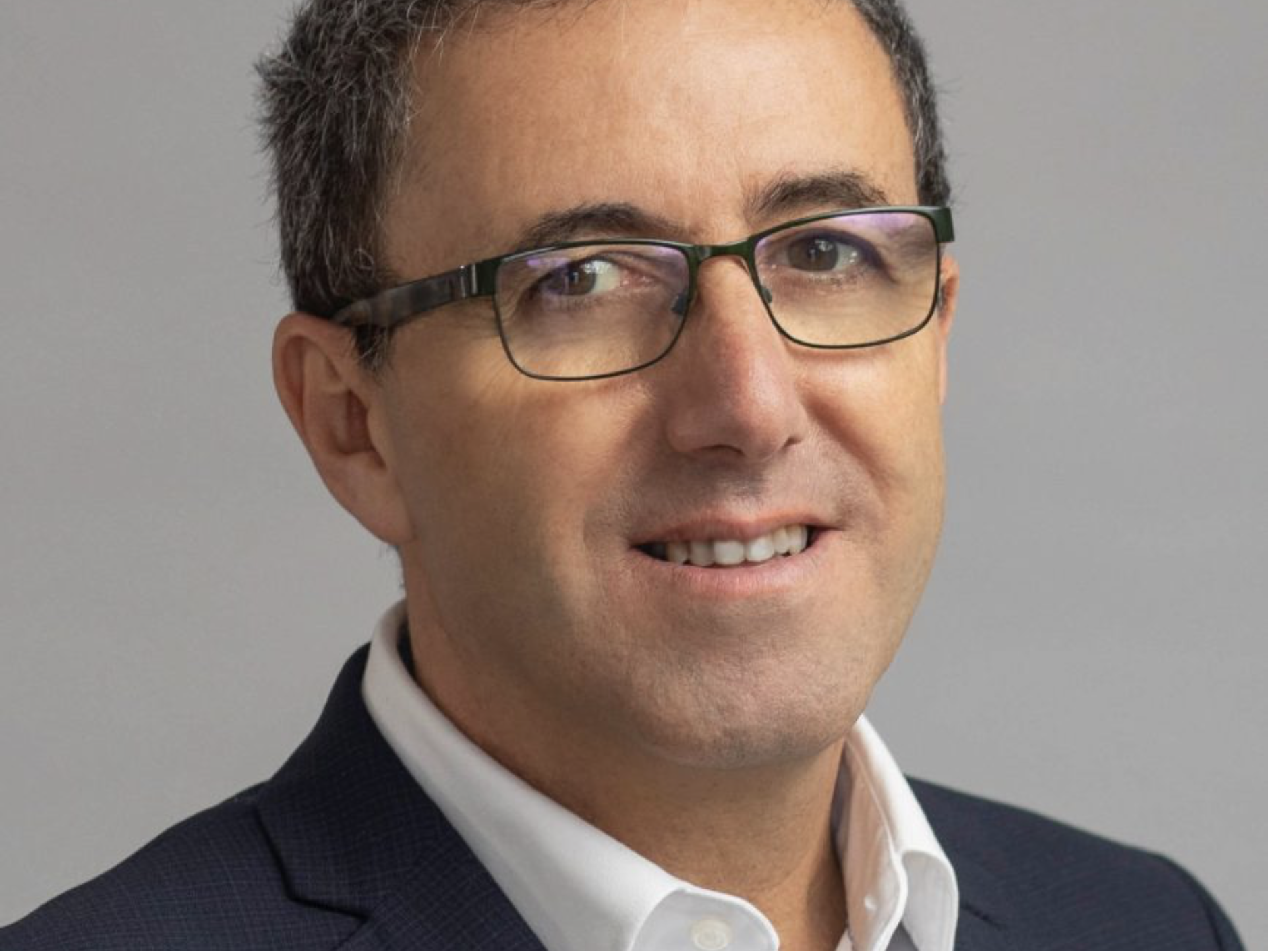
Merissa Khurma
Founder and CEO, AMENA Foundation

Reva Dhingra
Associate Director of Policy & Planning for Crisis Response, Recovery, and Development, International Rescue Committee

Nazanine Moshiri
Senior Advisor for Climate & Peace, Berghof Foundation

Nilo Tabrizy
Investigative Journalist

Moderator
Lauren Herzer Risi
Senior Fellow and Director, the Environmental Security Program at the Stimson Center